BPC-157: the anatomy of a medical reputation
A gastric fragment, a severed rat tendon, a handful of human reports. The experiments are stranger—and more interesting—than the reputation.
It began in the stomach, not the sports bag
BPC-157 is a synthetic peptide of 15 amino acids, based on part of a protein found in human gastric juice. The fragment itself is not a naturally circulating peptide. The papers call it a stable gastric pentadecapeptide; the rat ulcer experiments come from that gastric lineage.
I expected the tendon story to be the whole story. Instead, a molecule associated with stomach protection had acquired a reputation for repairing almost anything. That breadth deserves an explanation, and the experiments offer a more peculiar one than a general boost to healing.
The proposed connection is angiogenesis—the growth of new blood vessels. Work in a chick membrane, rat hindlimbs and cultured human vessel cells linked BPC-157 with vessel growth and VEGFR2 signaling. Human cells in a dish are still a long way from a treated person.
The rat Achilles tendon study
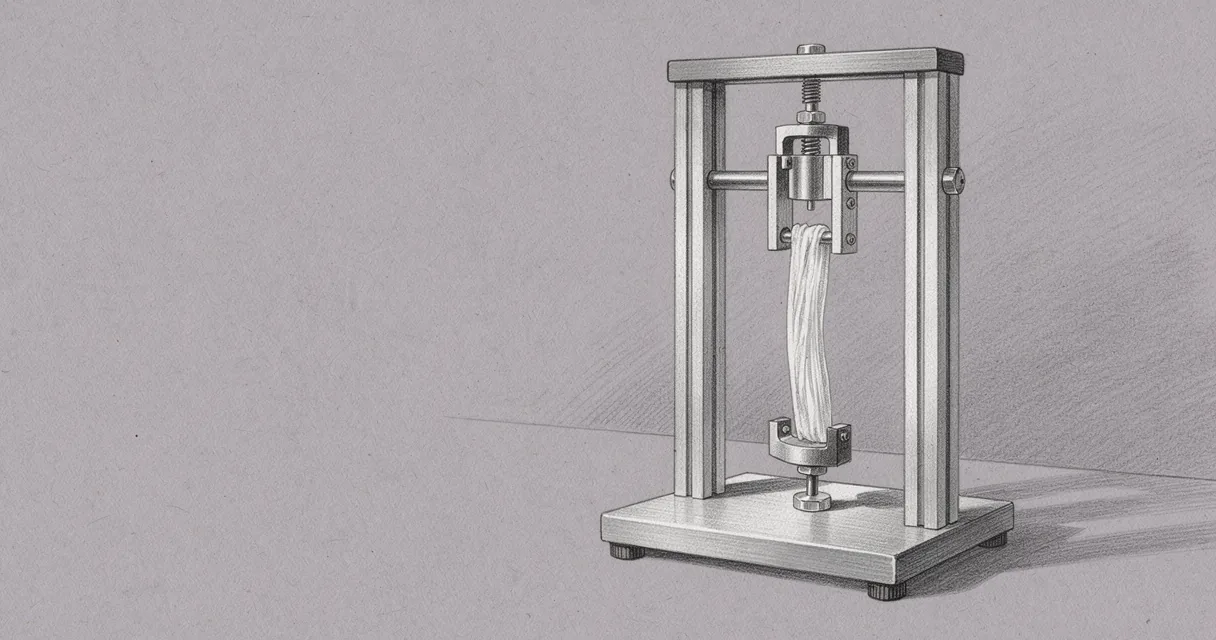
In the 2003 rat Achilles experiment, the tendon was cut all the way through. Investigators examined its structure, function and mechanical strength. Treated tendons recovered better than untreated controls, with better collagen organization. This is a specific result in a severe rat injury, rather than a report that an old ache felt better.
I respect the choice to test strength as well as appearance. A tendon has a job to do. The leap I dispute is the promotion of that laboratory result into a medical reputation without the human work to match it.
By the 2025 musculoskeletal review, the human literature amounted to only three small pilot reports, with rigorous large-scale trials still lacking. A knee-pain case series, a bladder-pain pilot and an intravenous safety pilot do not settle whether BPC-157 repairs a human tendon.
Research, safety and legal pages
The research plates put the rat tendon, the gastric ulcer and the human reports beside their actual measurements. The mechanism page follows the vessel experiments, including an intervention that stopped the response.
For the questions that bring people here first, the FAQ deals with drug tests, liver damage and erectile dysfunction. Legal status has its own problem: a prescription, an ingredient's eligibility and FDA approval are different decisions. Community accounts have their own drawer; they remain anecdotal accounts rather than clinical evidence.